
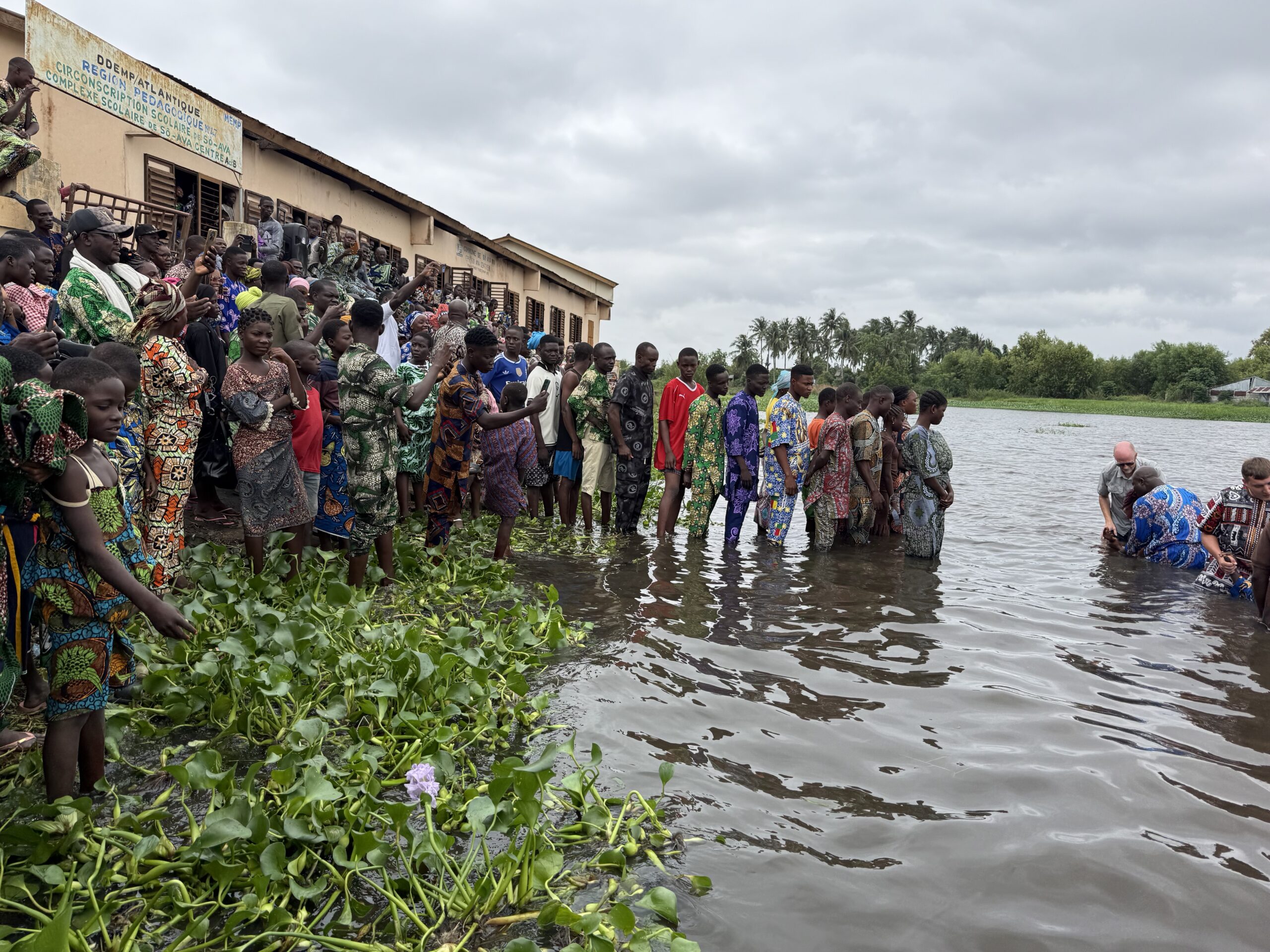
My son Tom went on a missions trip to Benin, West Africa with a group of men to serve alongside a missionary and several local pastors during a regional Gospel campaign. He was there about 10 days and witness a great number of decisions for Christ including over 100 baptisms. Benin is a French speaking nation and is classified as a relatively poor country. A family could live there for approximately $180 a month. Tom made a comment about the Beninese people that caught my attention. He said, “they don’t know what they don’t have.” I immediately wrote it down and thought, not knowing what you don’t have is the key to contentment. Contentment is being satisfied with what I have, with what I don’t have, or “in whatsoever state I am.”
The Apostle made this clear when he said in Php 4:11-13, “Not that I speak in respect of want: for I have learned, in whatsoever state I am, therewith to be content. I know both how to be abased, and I know how to abound: every where and in all things I am instructed both to be full and to be hungry, both to abound and to suffer need. I can do all things through Christ which strengtheneth me.”
The key to contentment “in whatsoever state I am” is verse 13, the enabling strength of Christ. Covetousness, on the other hand, wants what others have or what it does not have. In America for example, we are constantly reminded about what we don’t have which creates an appetite to want what we don’t have, whether we need it or not. We must, as someone once stated, control our wanter!
1Timothy 6:6-8, “But godliness with contentment is great gain. For we brought nothing into this world, and it is certain we can carry nothing out. And having food and raiment let us be therewith content.”
Leave a Reply