
It is more important to be a good pastor than delivering a good sermon.
I’ll never forget hearing the quote above as a young preacher – it changed everything. In the early days, I thought ministry was mostly preaching. If I could be a great preacher, I thought, everything else will fall into place. There is no excuse for being ill-prepared to preach. A preacher must allocate time for study and sermon preparation however, if you’re not a good pastor, you may suffer the consequences. If you are a good pastor; your people will support you, including poor sermon delivery.
- Ministry is people, not power.
- Love your people where they are.
- Weep with those that weep. (Jn 11:33-36)
- Praise is powerful. (Pr 27:21).
- Be thankful for what each member contributes.
- Preach with purpose. Preaching with purpose comes natural when take to heart what I refer to as the 3-fold purpose of the pulpit ministry. Consider Eph 4:11-12, “And he gave some, apostles; and some, prophets; and some, evangelists; and some, pastors and teachers; For the perfecting of the saints, for the work of the ministry, for the edifying of the body of Christ.”
- The goal of pulpit ministry and the example of pastoral leadership is to lead/influence your people to follow the Lord. (Mt 4:19; 1Co 11:1)
- The fruit of Spirit-filled preaching is disciples of Jesus Christ. (1Co 2:1-5)
- Guard against the temptation of doing in the flesh what God can do through His Word i.e. Doctrinal preaching for example, reproves, rebukes, exhorts, equips, edifies, and feeds. (2Ti 3:16-17, 4:2, 1Pe 2:2, 5:1-4)
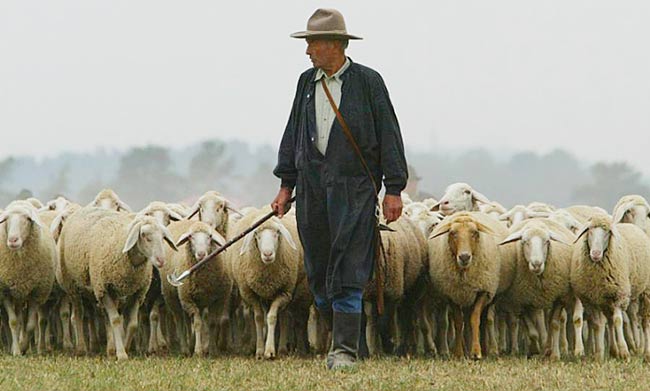
- A pastor’s primary duty is oversight, not ownership. Lording is assuming ownership. The flock is God’s heritage. Oversight means to care or tend to the welfare of the flock. What a shepherd is to his sheep, a pastor is to the Lord’s heritage. (1Pe 5:2)
- Services should educate, equip, edify, and exalt the Lord.
- Make every attempt to make every service uplifting (stirring, moving).
- Though a pastor shoulders the cares of the church, take every care to God in prayer. (1Pe 5:7)
- Never use the pulpit as whipping post. Guard against condescending remarks and carnal preaching.
- Avoid teaching for doctrine the commandments of men. (Mt 15:1-9)
- Get counsel, when necessary, glean ideas, be teachable, etc.
- The Word of God is the only standard by which you and I will be judged. (1Co 3:5-10)
- Guard against the “comparing” habit/trap.
- Never show frustration or unrighteous anger for example in a public worship service.
- Deal privately with disorderly members.
- You don’t get what you expect, you get what you inspect.
- Use fellowship, potluck etc. as an opportunity to sit with your people, i.e. make it a point to know your people outside of the pulpit. (Acts 2:42, 46; Lk 24:29-30, 35)
- Be approachable, personable, and attentive to members.
- Serve your people. 1Kings 12:7, “And they spake unto him, saying, If thou wilt be a servant unto this people this day, and wilt serve them, and answer them, and speak good words to them, then they will be thy servants for ever.” (Mt 2:20-28; Lk 22:21-27; Jn 13:1-17)
- Model your oversight/leadership after the Good Shepherd. (Jn 10; 1Pe 5:1-4; Ps 23)
- Be more concerned about being a good pastor than delivering a good sermon. Charles H. Spurgeon said, “I would rather teach one man to pray than ten men to preach.”
- However, heed 2Ti 2:15. It is impossible to rightly divide, deliver, or defend the faith without a diligent study of the Scriptures. The honorable goal of a diligent study of the Bible and a purposeful pulpit ministry is not the acceptance of men, but the approval of God.
- Our motive for ministry is never the praise of men; our motive, regarding “whatsoever ye do” is “do all to the glory of God.” (1Co 10:31; Col 3:23-25)

Leave a Reply